Moscas y tábanosFlies
Pelycops darwini
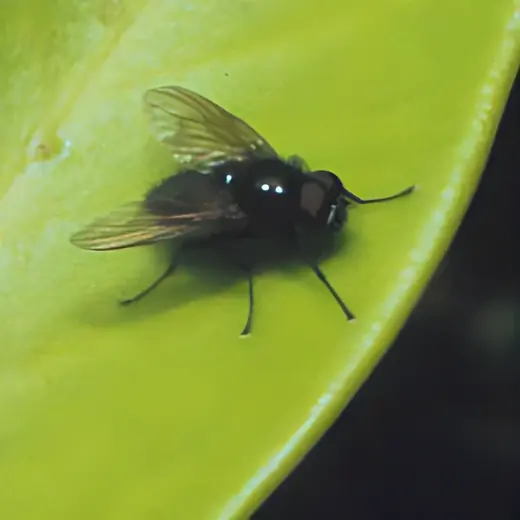
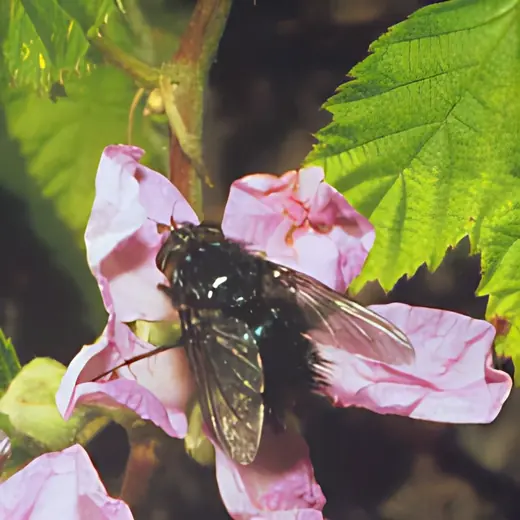
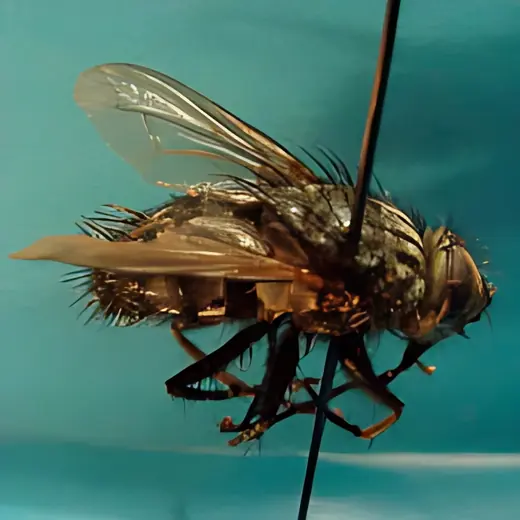
Tachinidae
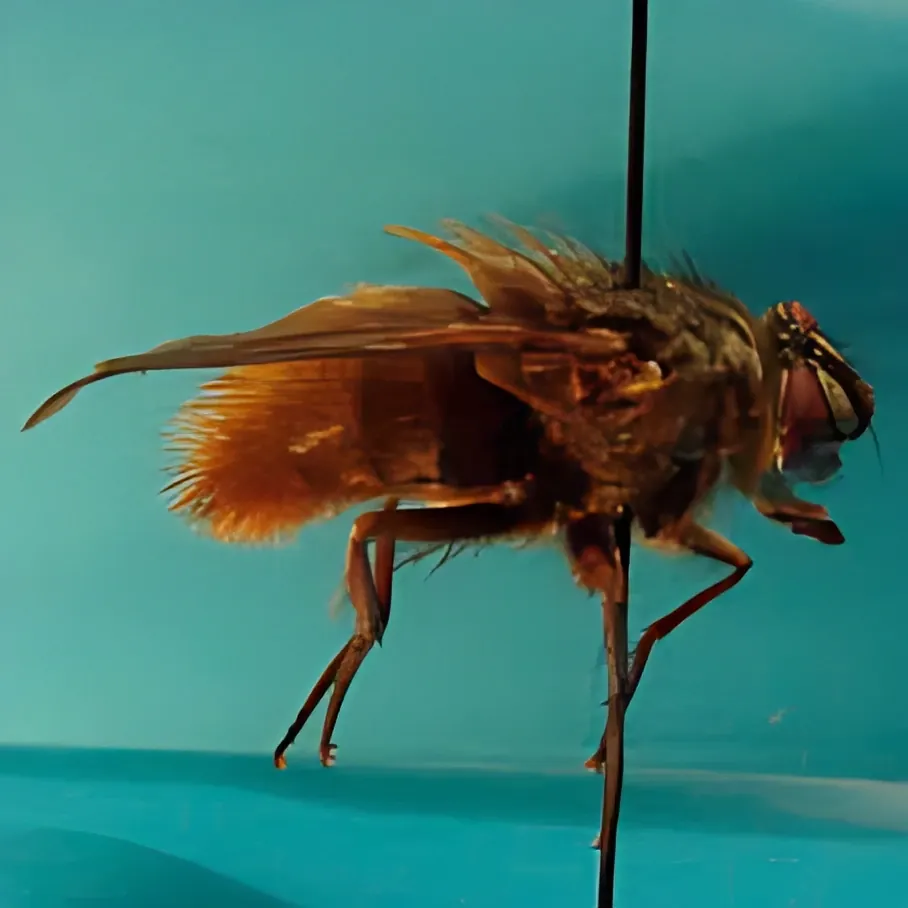
Las hembras de Tachinidae ponen sus huevos sobre el cuerpo de otros insectos y la mayoría de las larvas viven como parásitos internos, eventualmente, aunque siempre, matando al huésped. La pupación es generalmente fuera del huésped. Esta familia es importante en el control de muchas pestes de insectos. Tienen unos balancines muy bien desarrollados detrás de su único par de alas. Existen muchas especies dentro de la familia. Algunos adultos liban néctar. Las especies chilenas fueron extensamente estudiadas por Raúl Cortés P. Muchas especies son parecidas a los Muscidae y Sarcophagidae. Representa la segunda familia más numerosa de los Diptera.
Tachinidae females lay their eggs on the bodies of other insects, and most larvae live as internal parasites that eventually, though always, kill the host. Pupation is generally outside the host. This family is important in the control of many insect pests. They have very well developed halteres behind their single pair of wings. There are many species within the family. Some adults sip nectar. Chilean species were studied extensively by Raúl Cortés P. Many species resemble Muscidae and Sarcophagidae. It is the second most numerous family of Diptera.
- OrdenOrder
- Diptera · Moscas y tábanosFlies
- FamiliaFamily
- Tachinidae
HábitatHabitat